Storytelling Insight
The Stories of our Parents
Created on: March 6, 2025
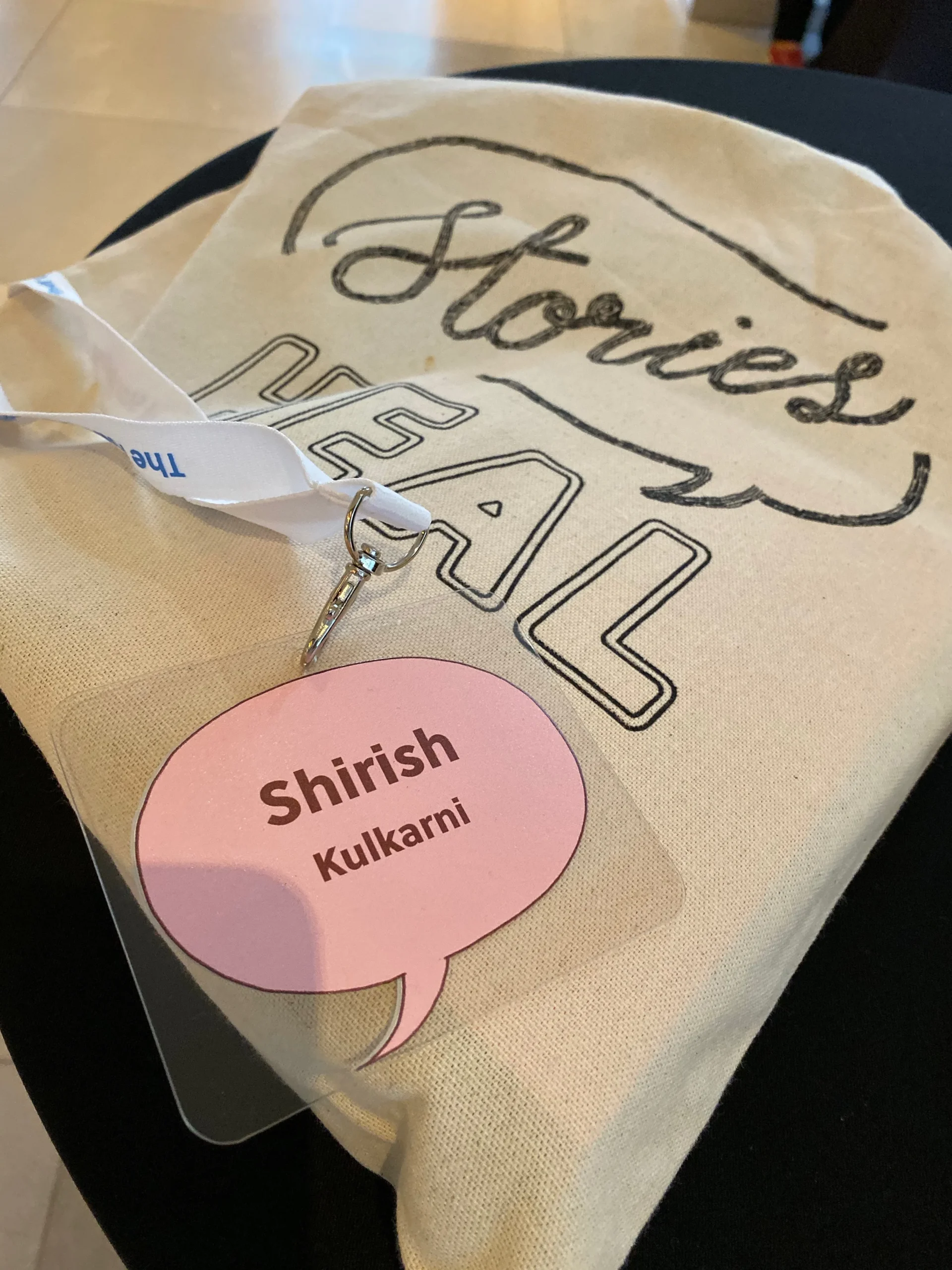
I originally wrote this article in October 2019, shortly after I’d had the privilege of attending The Power of Storytelling conference in Bucharest.
I never imagined then, for one second, that I might have the opportunity to return as a speaker, but I am incredibly grateful to be delivering a talk there in a couple of weeks.
The conference had a huge impact on my thinking around what’s important in journalism and storytelling, so I thought it would be interesting to revisit the article, because storytelling is about weaving threads. I’m going to be picking up some of the 2019 threads in my 2025 talk.
Of course it captures a moment in time, so some of my thinking has changed or developed more nuance, but I think it’s important and interesting to track those changes, because they also reflect how I’ve changed as a person. Stories have many purposes.
My parents — immigrants from Western India — never lived in areas where there was a big Indian community. I was born in the Lake District and, soon after, we moved to West Wales. That meant they faced difficult questions about culture, language and tradition. Not just how to pass those on to their children, but if.
If that sounds strange, think back — if you can — to the UK of the late 60’s and early 70’s. Racism was open and overt, and immensely popular TV programmes like “Mind Your Language” were populated by stereotypes. Stereotypes that were meant to describe my parents.
It was in that environment, not in our (apparently) more liberal and accepting times, that they decided they wouldn’t teach me their language, Marathi, because they didn’t want me to have an accent when I spoke English. That decision — which I don’t blame them for, by the way — didn’t just cut me off from my linguistic and cultural heritage, but also, at some level, taught me that my whole identity was somehow unacceptable and wrong.
I was reminded of that experience by Roma activist Ioanida Costache, when she described — much more eloquently than I could — how she had almost been cut off from her cultural, and particularly musical, heritage by similar feelings of shame and wanting to just “fit in”. She was almost denied the musical inheritance of her father’s violin playing by racism and stereotyping.
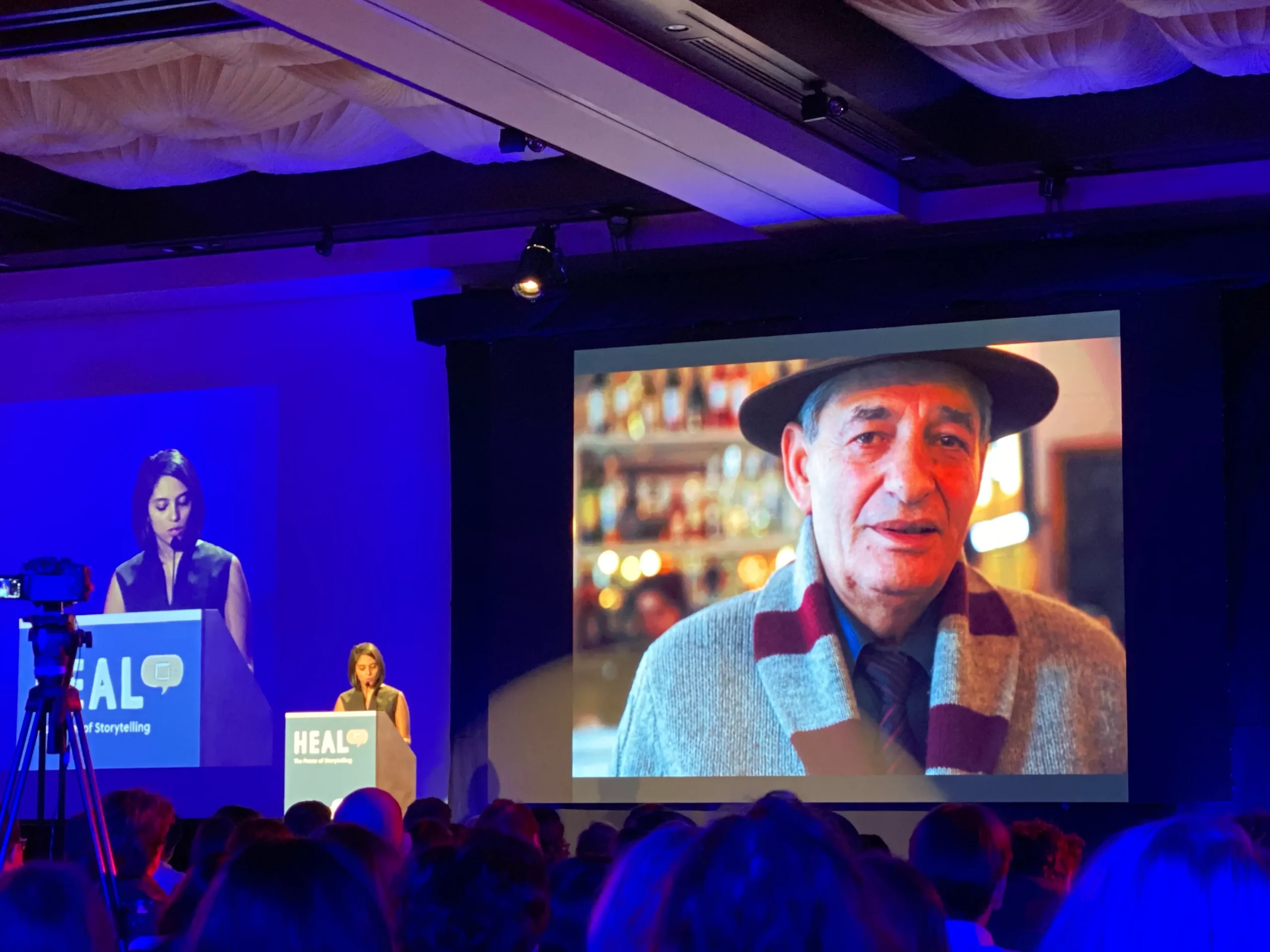
Her talk at The Power of Storytelling conference had a profound effect on me, because it made me think about how we often talk about racism in a very abstract way, or only when we are physically attacked. The truth is though, that the experience of racism creates much deeper wounds than most people can see or understand. There are important truths that we, as journalists, need to explain better, and we can use the experience of people like Ioanida to tell the full story — not just of racism, but of the hundreds of other issues that, right now, we only talk about in a very superficial way.
The power of “emotional storytelling” came up a lot over the weekend — and I think that’s about harnessing not just “case studies” and facts, but about getting to those deeper levels of experience that we often only scratch the surface of in TV and online news. For example, when I produce a TV piece for one of the UK’s flagship bulletins I often have to have a pretty clear view of the structure of the piece and the “clip” I need from an interviewee to help that structure make sense. That’s because the story is often only 1’30” long and there’s not a lot of freedom to tell stories in different ways.
As news has moved more online, I don’t think we’ve really taken advantage of the opportunities we now have. Instead, we’ve just moved the TV storytelling form to a different platform. Even so-called “innovation” on Instagram or Snapchat is largely just the same story, told in the same order, just in a different shape.
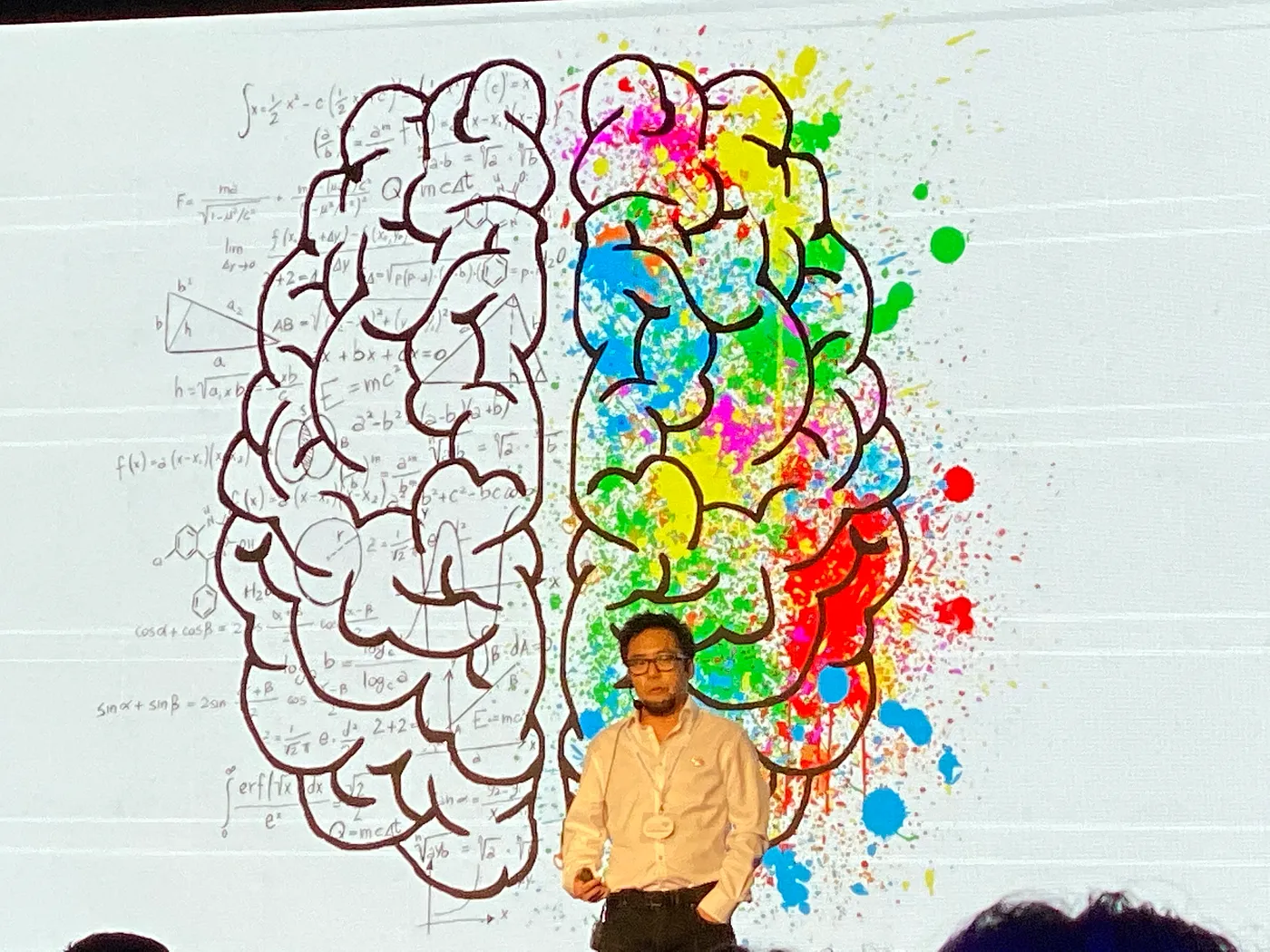
A notable exception is the work being done by Robin Kwong’s team at the Financial Times. Their films about the Irish Backstop and Climate Change do things entirely differently — using the techniques of poetry, theatre and film to create a deeper emotional connection to stories which otherwise feel distant and incomprehensible. They take a long time to produce though, and are clearly “Opinion”, so the next challenge is to create pieces which have the same intention and effect, but fit into the constraints of a daily, “objective” news service. Perhaps if we ask different questions and are prepared to get different answers, then we might find real innovation in this area.
At the conference, I also talked to Jonathan Gottschall, author of the brilliant book, “The Storytelling Animal”, which looks at the neuroscientific, anthropological and socio-cultural influences which mean we are almost entirely defined by the importance of stories. Initially he was a bit concerned about my aim of reimagining the shape, structure and form of news stories. He said, quite rightly, that “Perhaps stories are the way they are because they work?”. That is of course true of the stories we encounter in our day to day life, but actually — and maybe this is the real problem — our news stories aren’t like that.
The traditional story starts “Once upon a time” setting the scene and laying out the context. It then layers characters, events and emotions over that context leading, ultimately, to a conclusion that elicits emotion in the reader or viewer.
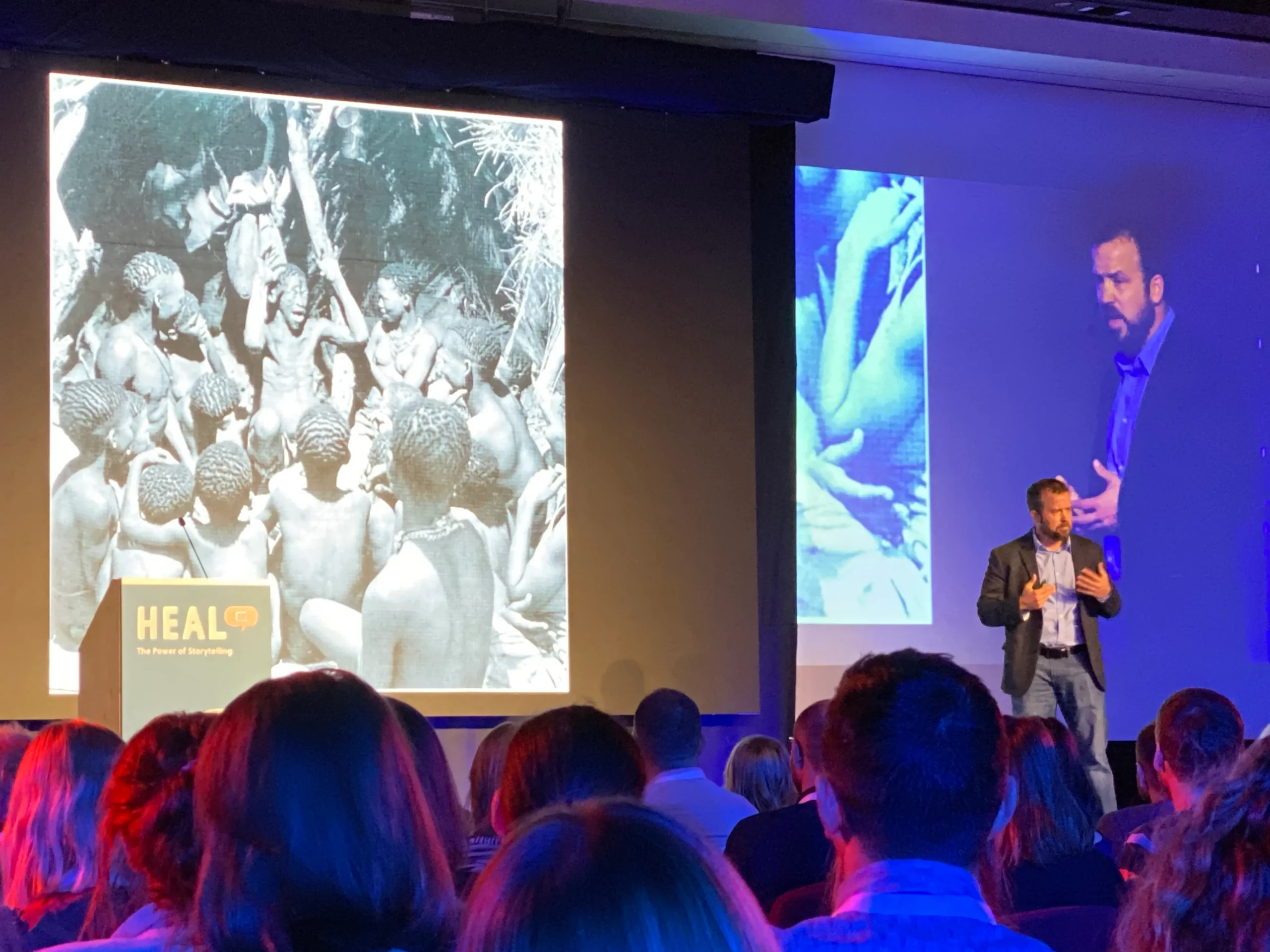
For some reason, TV news stories seem to do the precise opposite. The headline — this is most obviously true in 24 hour news — is generally the final event or the conclusion of the actual story. We’ve skipped to the end of the book, so our enjoyment of the story is largely ruined before we’ve even started. Time constraints mean there’s very little context and no development of character or relationship. This may sound simplistic, but Jonathan Gottschall is right, stories are the way they are, because they work — why then, if something ain’t broke, do we journalists feel we need to fix it?
Gottschall says that stories do for our emotions what play does for our bodies. He quotes the American novelist, John Gardner, who said “Real art creates myths society can live by rather than die by.” Take out the “myths” and replace it with “stories” and that’s our job as journalists summed up pretty well.
Telling stories about good things should encourage us to find or make more of them, telling stories about bad things should remind us not to repeat the mistakes of the past. If we’re not telling those stories or not prepared to hear them, then maybe that’s why journalism is failing.
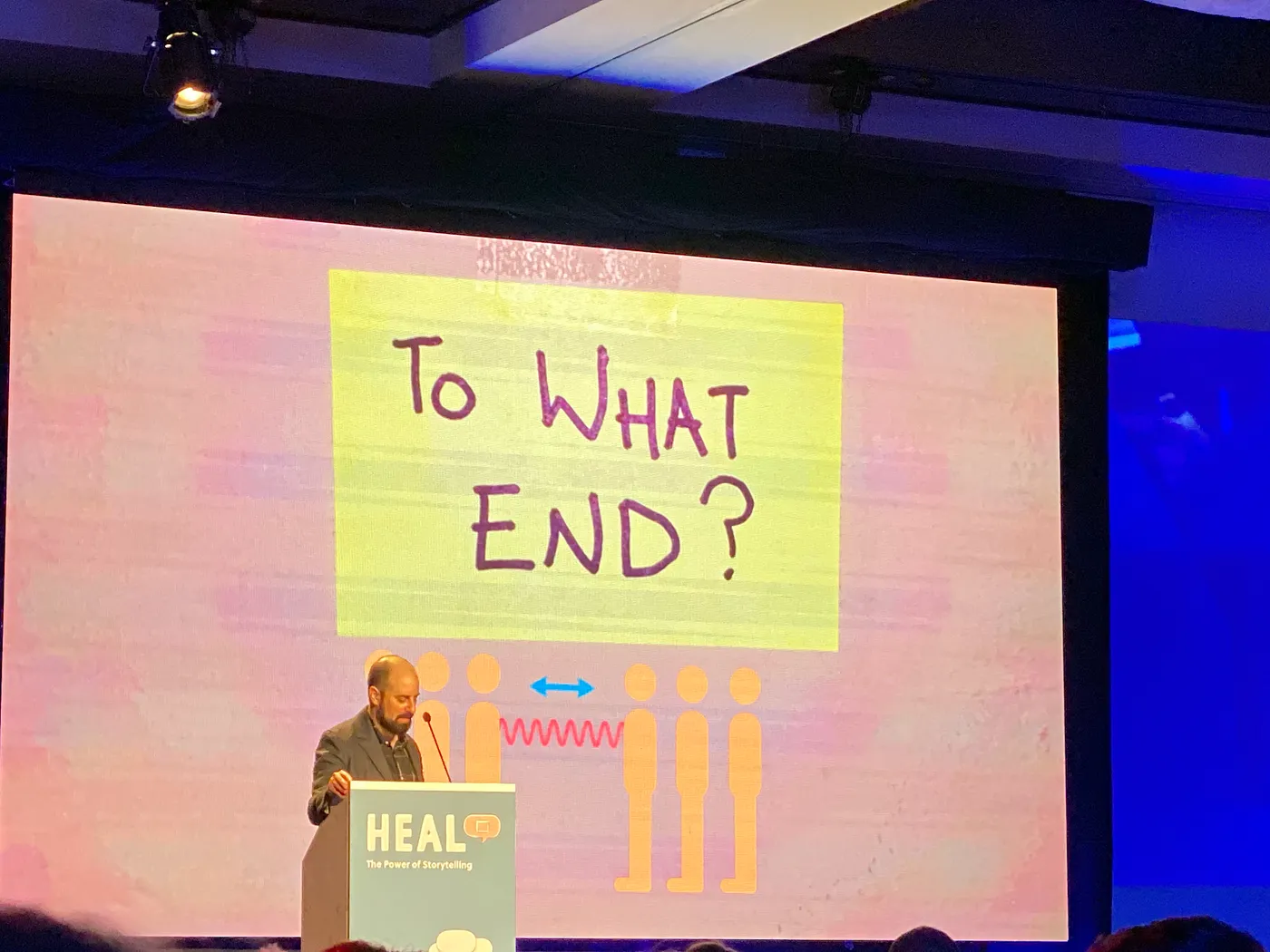
For some reason, I myself haven’t really been prepared to hear the stories of my parents — something else that came up regularly at the conference as a way to “heal”. Maybe I’m scared, maybe it’ll take me a little while to figure out, but I guess I have to start by listening.
My father was 5 years old during the Partition of India, and was one of the more than 10 million people who were displaced. Luckily, he wasn’t one of the 2 million people who died in the violence which accompanied it. It was a hugely traumatic experience, but one which I’ve never talked to him about. If I’m not prepared to listen, then how can I expect that of the racists, the far right, the people who brand “immigrants” a cancer on society. These are the stories we need to tell and these are the stories we need to hear. I’m going to make a start.
Created on: March 6, 2025
Has this sparked ideas for you?
Do get in touch if you want to pick up on any of these thoughts.
contact